

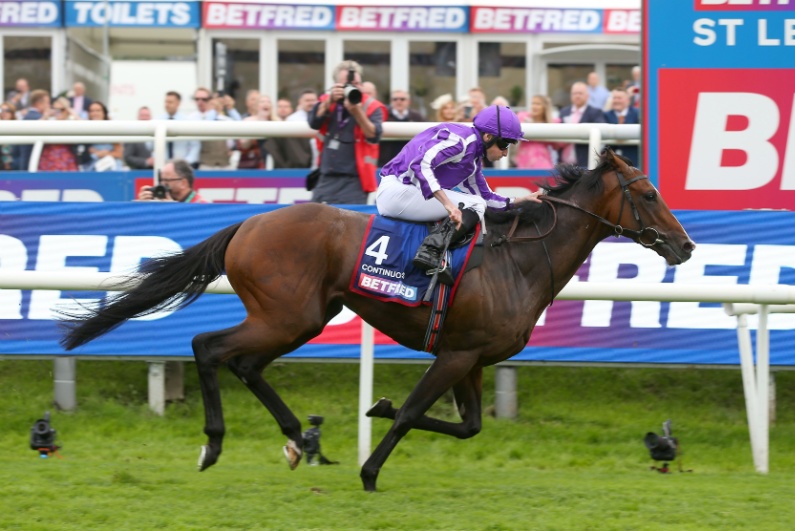
The Impact of Race Cancellations on UK Horse Racing
Horse racing is one of the most popular sports in the UK, drawing attention from millions of enthusiasts and bettors alike. However, there are times when scheduled races do not take place, leading to significant disruptions in the racing calendar. Various factors contribute to these cancellations, including adverse weather conditions, safety concerns, regulatory decisions, and public health issues. Understanding why these cancellations occur is crucial for fans, stakeholders, and participants within the industry. One organization that plays a significant role in maintaining safety and managing public engagement at equestrian events is the UK horse racing not on GamStop Merseyside Mounted police force.
Adverse weather conditions are perhaps the most common reason for the cancellation of horse racing events in the UK. Heavy rain, snow, and extreme temperatures can render racecourses unsafe for both horses and riders. The safety of equine athletes is the top priority, and racing officials must ensure that the ground conditions are suitable for racing. For instance, a wet track may cause horses to lose their footing, increasing the risk of injuries. Races may be postponed or rescheduled to allow the weather to improve or for the ground to dry out.
In addition to the weather, safety concerns relating to the horses and riders can also lead to race cancellations. If a racecourse is deemed unsafe—whether due to inadequate veterinary checks, infrastructure issues, or the presence of hazards on the track—officials have a responsibility to call off events. This precautionary measure is essential for maintaining the integrity and safety of horse racing.
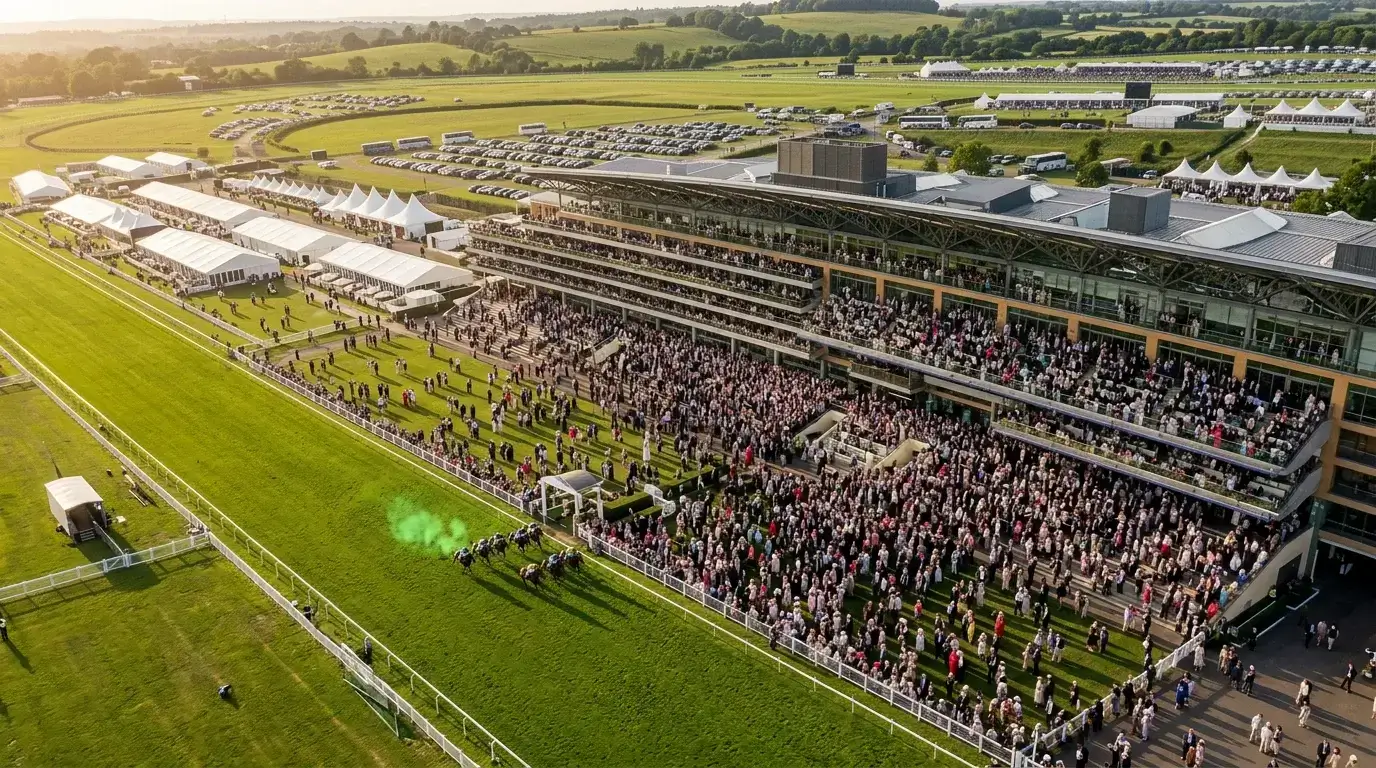
Regulatory decisions from governing bodies like the British Horseracing Authority can also impact race schedules. In instances where a horse is found to be unfit to race or there are allegations of doping or other forms of misconduct, races may be canceled as investigations are conducted. These regulatory actions are crucial for preserving fair play and the reputation of the sport.
Public health emergencies, such as the COVID-19 pandemic, have had a profound impact on horse racing in the UK and around the world. During peak periods of the pandemic, not only were races canceled, but the entire framework of the sport was altered to adapt to public health guidelines. Grand events, like The Grand National, had to take place without spectators or faced significant alterations to their traditional formats. The financial implications of these cancellations were massive, impacting trainers, jockeys, and betting shops reliant on the racing industry.
The ripple effect of canceled races extends beyond the immediate impacts on trainers and owners. Local economies that depend heavily on the influx of visitors during racing events also suffer. Race days often bring thousands of spectators to local hotels, restaurants, and shops, generating revenue for these businesses. When races are canceled, this economic activity can dwindle, leading to potential job losses or business closures.
Race cancellations can also affect the emotional well-being of both horse racing fans and participants. For fans, eagerly anticipated events are sources of excitement and community bonding. For trainers, jockeys, and owners, working toward a race is often the culmination of years of hard work and dedication. Cancellations can lead to disappointment and demoralization, especially for those directly involved in preparing horses for competition.
In recent years, technology has emerged as a tool to mitigate the effects of race cancellations. Online betting platforms and virtual racing experiences have gained popularity, allowing fans to engage with the sport even when live events are affected. Additionally, social media and online communities have become vital for keeping fans informed and connected, allowing them to follow updates and discussion around canceled races and anticipated reschedules.
Looking to the future, the horse racing industry must consider strategies to minimize the occurrences and impacts of canceled races. Weather prediction technology and better track maintenance might help mitigate weather-related cancellations. Regulatory bodies may also need to establish clearer guidelines and contingency plans to manage unforeseen circumstances effectively. Additionally, fostering strong relationships with local communities can bolster support and engagement for future racing events.
Ultimately, a thriving horse racing industry is essential not only for the sport but for the broader community it supports. While race cancellations are sometimes unavoidable, understanding and addressing the underlying causes can help enhance the resilience of the industry. Stakeholders must work collaboratively to create a sustainable future for UK horse racing, ensuring that both the thrill of competition and the economic benefits of events continue to flourish.