

How to Open a Business: A Comprehensive Guide
Starting a business is a dream for many, but it can also be an intimidating process filled with uncertainty and challenges. However, with the right planning and methods, you can turn your idea into a successful venture. This guide walks you through the essential steps to open a business and thrive in today’s competitive marketplace.
Step 1: Developing Your Business Idea
The first step in opening a business is to develop a solid business idea. This concept should be something you are passionate about, as you will invest a lot of time and energy into its success. Consider the following questions:
- What products or services do you want to offer?
- Who is your target audience?
- What is your unique selling proposition (USP) that sets you apart from competitors?
Research your market thoroughly to identify potential customers and competitors. This information will help you refine your idea and ensure there is demand for your product or service.
Step 2: Conducting Market Research
Understanding the market is crucial for any new business. Market research involves gathering information about your industry, competitors, and potential customers. Some effective methods of conducting market research include:
- Surveys: Get direct feedback from potential customers about their preferences and needs.
- Focus groups: Assemble a group of individuals to discuss and provide insights on your business idea.
- Competitor analysis: Study your competitors’ strengths and weaknesses to identify opportunities for your business.
Step 3: Creating a Business Plan
A business plan is a roadmap for your business that outlines your objectives and how you plan to achieve them. A solid business plan should include the following sections:
- Executive Summary: High-level overview of your business and mission.
- Business Description: In-depth information about your business model and strategy.
- Market Analysis: Summary of your market research findings.
- Organization and Management: Your business structure and management team.
- Service or Product Line: Details about what you are selling or the services you are providing.
- Marketing and Sales Strategy: How you plan to attract and retain customers.
- Funding Request: If you need financial backing, outline your funding requirements.
- Financial Projections: Projected revenue and expenses to show potential profitability.
Updating your business plan regularly will help you stay on track and adjust your strategies as needed.
Step 4: Choosing a Business Structure
Your business structure determines your legal obligations, taxes, and liability. Common business structures include:
- Sole Proprietorship: Owned and operated by one individual, easy to set up but exposes the owner to personal liability.
- Partnership: Owned by two or more individuals, sharing profits and liability.
- Corporation: A separate legal entity that protects owners from personal liability but has more regulatory requirements.
- Limited Liability Company (LLC): Combines the benefits of corporations and partnerships while reducing personal liability.
Consulting with a legal professional can help you decide which structure best suits your needs.
Step 5: Registering Your Business
Once you have chosen your business structure, you will need to register your business with the appropriate government authorities. This process typically involves:
- Selecting a business name that reflects your brand.
- Obtaining necessary licenses and permits depending on your location and industry.
- Applying for an Employer Identification Number (EIN) for tax purposes.
Make sure to comply with all local, state, and federal regulations to avoid legal issues down the line.
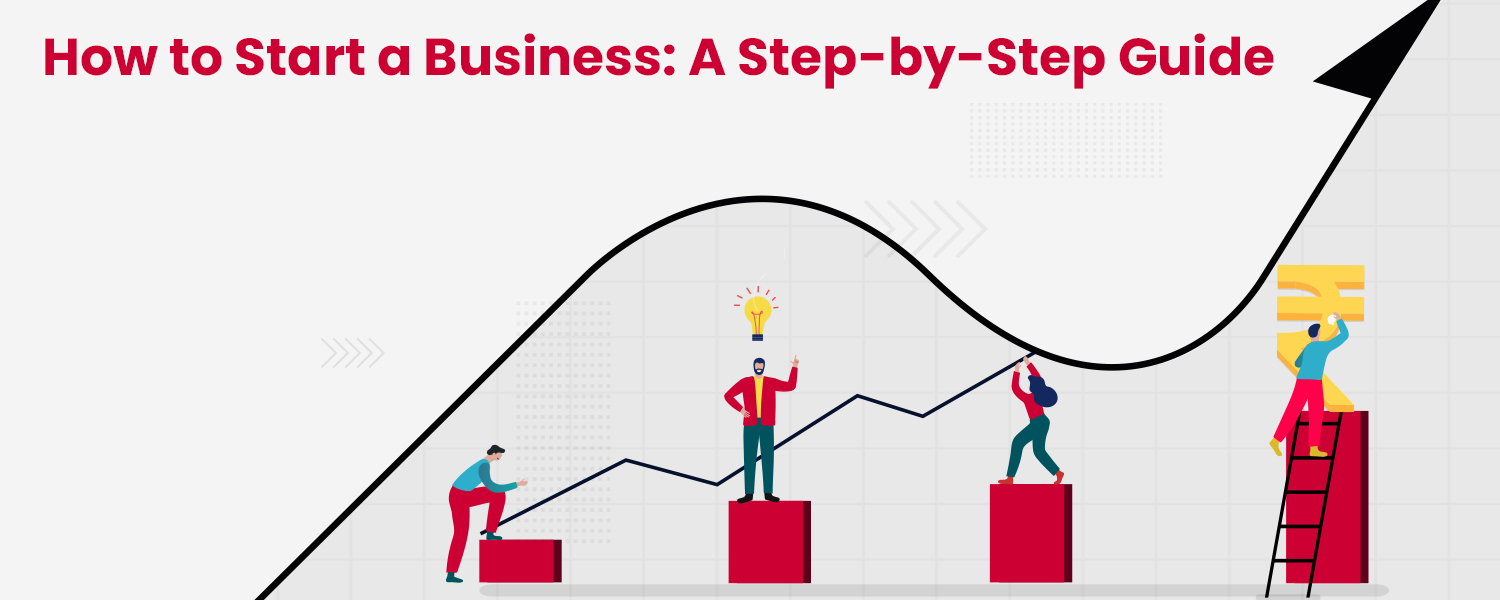
Step 6: Setting Up Your Finances
Proper financial management is essential for a successful business. This includes:
- Opening a business bank account to separate your personal funds from your business finances.
- Setting up an accounting system to track income and expenses. This can be done using accounting software or hiring a professional accountant.
- Understanding your tax obligations and ensuring that you are prepared to meet them.
Establish a budget for your business to help you manage your cash flow and expenses efficiently.
Step 7: Marketing Your Business
A solid marketing strategy is vital for attracting customers and achieving sales. Consider the following approaches:
- Digital Marketing: Use social media, search engine optimization (SEO), and email marketing to reach your audience online.
- Traditional Marketing: Employ methods such as flyers, radio ads, or local sponsorships.
- Networking: Attend industry events and join local business organizations to promote your brand.
Always measure the effectiveness of your marketing efforts and adjust strategies accordingly.
Step 8: Launching Your Business
Now comes the exciting part: launching your business! Ensure all elements are in place, from your inventory and website to marketing materials. Host a launch event or promotion to create buzz and attract customers. Make sure to follow up with customers to gather feedback and make improvements as needed.
Step 9: Growing Your Business
Once your business is up and running, focus on growth and improvement. Conside

r diversifying your product offerings, expanding your target audience, or exploring partnership opportunities. Always stay aware of market trends and customer needs to ensure your business remains relevant.
Regular assessment of your business performance is critical. Often reviewing financial reports and customer feedback can guide you in making informed decisions for growth.
Conclusion
Opening a business takes dedication, planning, and a willingness to adapt. By following these steps and preparing thoroughly, you can navigate the challenges of entrepreneurship and build a successful enterprise. Remember that every business is unique, and it’s essential to remain flexible and open to change as you embark on this journey.
For more information, you can visit this How to Open a Business Manager Without a Passport? https://crazyfb.shop/en/page/kak-otkryt-bm-bez-pasporta.