


The Essential Role of Lawyers in Interpol Cases
In the complex landscape of international law enforcement, lawyers hold a crucial position when it comes to navigating lawyers in Interpol cases. As an intergovernmental organization that facilitates international police cooperation, Interpol’s role is to help member countries communicate and collaborate in fighting transnational crime. However, when individuals find themselves entangled in Interpol investigations or notices, the expertise of a skilled lawyer becomes indispensable.
What is Interpol and Why It Matters?
Interpol, or the International Criminal Police Organization, was established in 1923 and has grown to include 195 member countries. The organization is pivotal in criminal investigations, intelligence sharing, and fostering collaboration among police forces across borders. Interpol’s work includes combating a wide range of crimes such as drug trafficking, human trafficking, cybercrime, and terrorism.
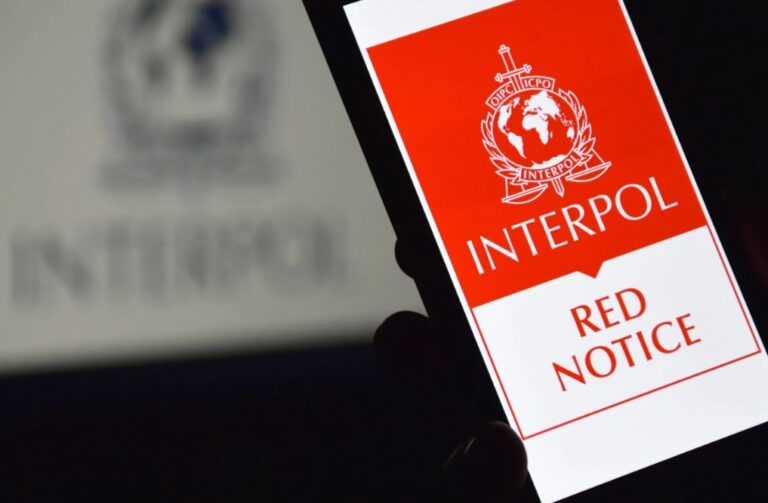
A key tool in Interpol’s operations is the issuance of Red Notices. These are requests to law enforcement worldwide to locate and provisionally arrest an individual pending extradition. However, a Red Notice is not an international arrest warrant; rather, it serves as a request for cooperation among member states.
The Role of Lawyers in Interpol Cases
When an individual finds themselves the subject of an Interpol notice, the assistance of a lawyer familiar with international law and extradition processes is crucial. These lawyers perform several indispensable functions, including:
1. Legal Consultation and Rights Protection
Upon becoming aware of an Interpol notice, individuals should seek immediate legal counsel. Lawyers assist clients in understanding their rights and the implications of the notice against them. There are many legal nuances involved that a layperson may be unaware of, such as the potential for the notice to impact travel, personal safety, and reputation.
2. Challenging or Contesting Notices
Some individuals may contest the validity of the Red Notice or the basis on which it was issued. Lawyers can assist in preparing and submitting appeals to Interpol, arguing that the notice is politically motivated or violates human rights principles. This involves understanding international laws and how they intersect with member states’ judicial systems.
3. Coordinating with International Legal Frameworks
A lawyer engaged in an Interpol case must coordinate actions across various jurisdictions. This may involve liaising with law enforcement agencies, negotiating with foreign authorities, or even seeking remedies through civil action where necessary. The lawyer’s ability to navigate different legal systems and their regulations is vital in these scenarios.
4. Preparing for Extradition Hearings
If a Red Notice leads to extradition proceedings, legal representation becomes critical. Lawyers prepare clients for hearings, ensuring they understand the process, the potential outcomes, and their rights during the extradition. They also prepare defense strategies, which may involve challenging the legal basis of the extradition or presenting evidence favorable to the client.
5. Providing Emotional and Psychological Support
Beyond legal expertise, lawyers serve as a vital source of emotional support for their clients. The stress of being under an Interpol notice can be overwhelming, so having a trustworthy advocate can provide reassurance during difficult times.
Challenges Lawyers Face in Interpol Cases
Working on Interpol cases is not without its challenges. Lawyers often contend with:

1. Complexity of International Law
The international legal landscape is notoriously complex. Laws vary significantly between jurisdictions, making it challenging for lawyers to craft a consistent strategy that is effective across different countries. Understanding international treaties and local laws is essential.
2. Variability of Judicial Systems
Every country has its judicial norms, practices, and interpretations of law. A lawyer must adapt to these variations and anticipate how different courts will treat cases involving Interpol notices.
3. Navigating Political Contexts
In some instances, the issuance of a Red Notice may have political undertones. Lawyers must be adept at identifying such contexts and preparing to argue that the notice is not only legally but also politically influenced. This can involve investigative work, gathering evidence, and possibly engaging with international human rights organizations.
Case Studies: Successful Defenses
Several high-profile cases illustrate the critical role of lawyers in Interpol investigations:
1. Case of Roman Polanski
Filmmaker Roman Polanski was the subject of a Red Notice due to a 1978 conviction in the United States. Lawyers specializing in international law argued that his arrest would lead to a biased trial and capital punishment against his rights. Their defense was accomplished through thorough research and presenting psychological assessments highlighting Polanski’s risk if extradited.
2. The Aspects of Political Refugees
In cases where individuals claim that they are political refugees, lawyers have effectively used international law to argue against extradition. They take on an investigative role, providing evidence of political persecution and the ramifications of returning to their home country.
Conclusion
Lawyers play an indispensable role in handling Interpol cases, offering clients specialized legal counsel, advocating for their rights, and navigating the intricate web of international justice. Their work not only protects individuals but also upholds the principles of justice, fairness, and international cooperation. As crime becomes ever more transnational in nature, the importance of skilled legal representation in such scenarios will continue to grow.