

The 134515300 component plays a crucial role in the functioning of various home appliances, especially in the world of kitchen technology. Understanding its purpose and proper maintenance can greatly enhance the longevity and performance of your appliances.
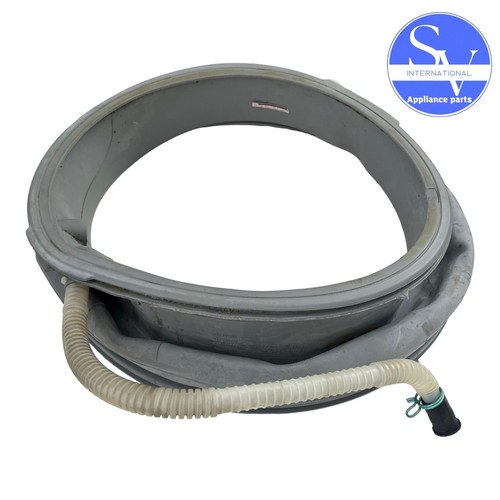
What is the 134515300 Component?
The 134515300 is primarily known as a bellows kit used in a range of appliances, particularly those manufactured by Frigidaire. Bellows are flexible components that help manage the flow of air and moisture within an appliance, making them critical for optimal operation. They can be found in washing machines, refrigerators, and various other machines where sealing and air management are necessary.
Importance of the Bellows Kit in Appliances
In an appliance setting, the bellows kit serves several significant functions. These include:
- Sealing: The primary function of the bellows kit is to create a seal that prevents leaks of air or liquid. This helps maintain efficient operation and prevents damage to the appliance.
- Airflow Management: Bellows also control the airflow within the appliance, which is essential for components such as dryers that rely on proper air circulation for effective performance.
- Vibration Absorption: The flexible design of the bellows helps absorb vibrations from the appliance, reducing noise and potentially prolonging the lifespan of both the appliance and the surrounding structures.
Common Issues and Signs of a Failing Bellows Kit
Like any other component, the 134515300 bellows kit can wear out over time. Identifying the signs of a failing bellows kit early on can save you from more significant appliance issues. Here are some common symptoms:
- Leaks: Water or moisture around the base of an appliance is often a telltale sign that the bellows kit has failed.
- Unusual Noises: Rattling or excessive noise during operation can indicate that the bellows are not providing the necessary support and sealing.
- Increased Energy Bills: A failing bellows can cause air leakage, leading to appliance inefficiency and higher energy consumption.
How to Replace the 134515300 Bellows Kit
Replacing the 134515300 bellows kit is a manageable task for those with some DIY experience. Here’s a step-by-step guide to help you through the process:

- Gather Tools and Materials: Before starting, ensure you have the necessary tools, including a screwdriver, pliers, and the replacement bellows kit.
- Disconnect the Appliance: Safety first! Make sure the appliance is unplugged and disconnected from any water supply if applicable.
- Remove the Old Bellows: Carefully detach the old bellows kit from its fittings. You may need to remove screws or clips that hold it in place.
- Clean the Area: Before installing the new kit, clean the area to ensure there is no debris or old adhesive that could hinder the seal of the new bellows.
- Install the New Bellows: Follow the manufacturer’s instructions to position the new bellows securely. Ensure that all connections are tight and secure.
- Reconnect the Appliance: After installation, reconnect your appliance to power and water supply and test to ensure everything operates correctly.
Maintenance Tips for Longevity
To ensure that your 134515300 bellows kit lasts as long as possible, consider the following maintenance tips:
- Regular Inspection: Periodically check the bellows for signs of wear and tear. Early detection can prevent bigger problems down the line.
- Keep the Area Clean: Remove any debris or buildup around the bellows to prevent blockages or damage.
- Use the Appliance Properly: Follow the manufacturer’s guidelines for usage, as improper use can lead to premature wear of components.
Conclusion
The 134515300 bellows kit is a vital component of many household appliances, ensuring they function correctly and efficiently. By understanding its importance, recognizing the signs of wear, and learning how to replace it, you can maintain your appliances in optimal condition and save on energy costs.